Thompson talks about his multi-decade experiences with movies and media: the ups, downs, and everything in between.

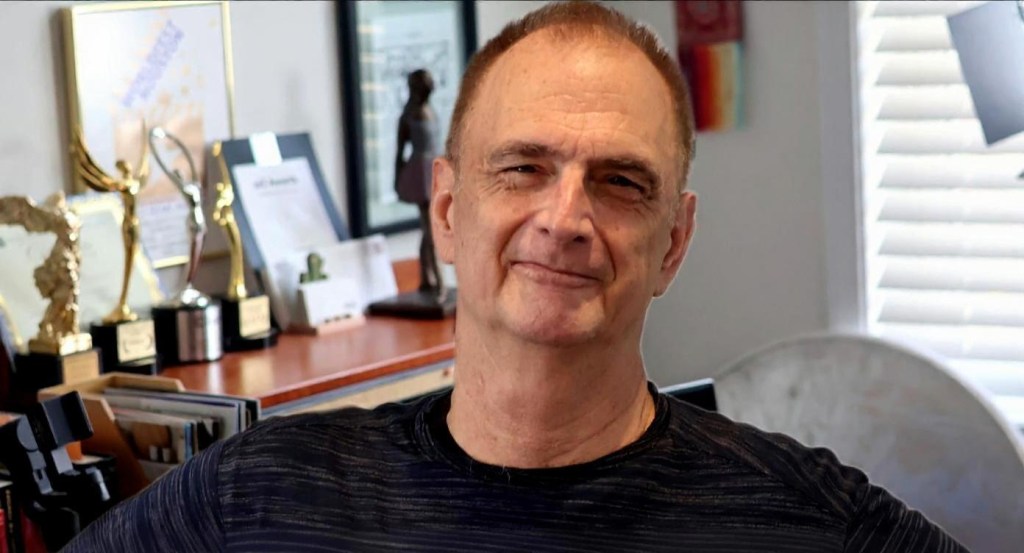
Click on image to read interview.
Film, Media, Culture
Thompson talks about his multi-decade experiences with movies and media: the ups, downs, and everything in between.
Click on image to read interview.

Click on image to read full review
The movie about a sex worker, from the American filmmaker Sean Baker, took the top prize at a ceremony that also honored George Lucas.
Read more here.

Image courtesy France 24
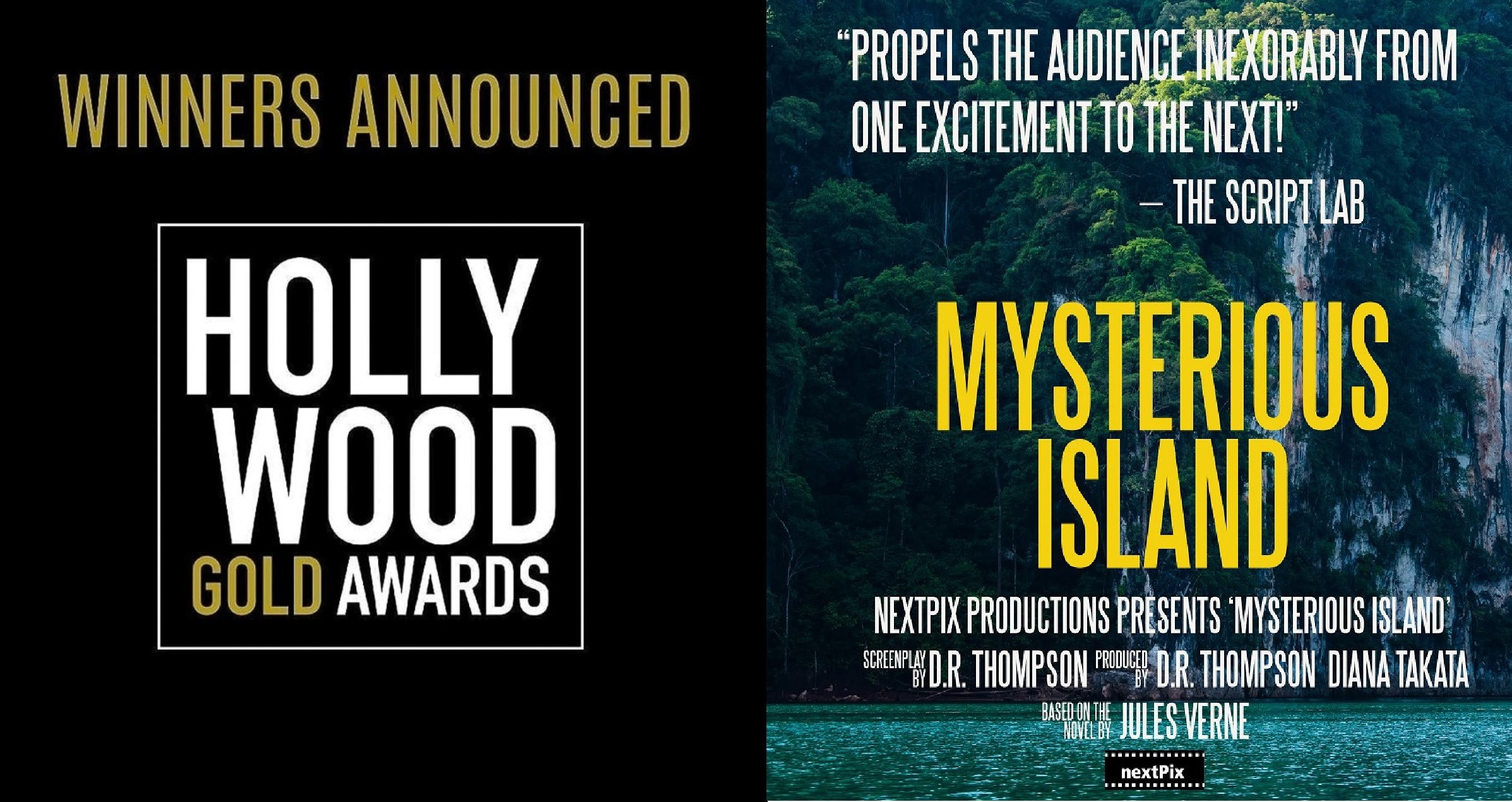
Don Thompson’s re-imagining of the Jules Verne Classic is reviewed by the festival, where it won an award.
“The script is engaging and very well written, and would be perfectly suited to become a series of films…” — Hollywood Gold Awards
You can read the review here.
Don Thompson recently gave an interview with the New York Movie Awards, where his screenplay adaptation of Herman Melville’s ‘Billy Budd’ won a top award. You can find the full interview here.

Last year writer David Dessauer commissioned me to write a screenplay based on his book Harper Lee and Me. The book is based on a 5-year research project where Dessauer tried to unearth what motivated Harper Lee to write her masterpiece novel To Kill A Mockingbird. When Dave approached me with the project, I was struck by the unique perspective he brought to the effort. Much of the thesis he developed surrounding the book grew out of his Christian faith and belief that Harper Lee was essentially trying to do a retelling of the Book of Proverbs with her book.
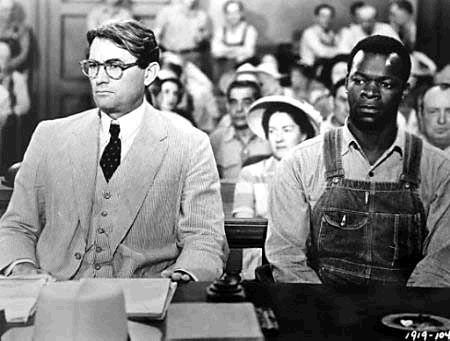
The challenge was to translate David’s book into a compelling story, as the process of research itself — and even the results of the research — do not necessarily make for a good screen narrative, no matter how interesting and compelling the material is.
It became necessary, therefore, to conduct my own research into Dave’s process and how his family dynamics played a part in order to find the spine of a story that would translate well into film. In essence, the story becomes one of a disillusioned man trying to regain faith in himself and the respect of his family. We follow a hero’s journey arc of separation, descent into the unknown, and return. I based the story on several conversations I had with Dave, where I gleaned the essential love that he had for his family and that they had for him. In addition to Dessauer’s insights into Harper Lee, it was this familial love that I tried to convey in the script.
I do believe that a great (often untold) story of our modern America is the disappointment that people have in the fact that they dreamed of doing numerous things but never really set out to make their dreams a reality. Instead, they live those dreams vicariously through others: celebrities, sports figures, and their children. The ‘reality’ that is paramount becomes, for many, the raising of those children and the focus on their security. People’s dreams can often take a back burner in this process.
Dessauer sought to break that pattern with himself and realize his dream. That essentially becomes the story arc of the screenplay version of Harper Lee and Me — how a man grapples with his sense of limitation and overcomes it. I suspect many people share Dessauer’s feelings of personal disappointment, and many, like Dave Dessauer, do attempt to overcome those feelings. That said, while many would love to have an impact on the world, responsibilities overwhelm them. Within this context, personal — sometimes even small — victories are possible and even necessary. Dreams can be adjusted and made more realistic. Small victories can indeed become large ones; this is another message in Harper Lee and Me.
The script has been a lot of positive attention, including ‘Best Screenplay’ and ‘Best Writer’ awards from the Christian Film Festival and a Finalist nod (for Best Screenplay) from the Branson Film Festival. More recently, the 2022 PopCon Film Festival has nominated the script for ‘Best Feature Screenplay’. We also placed high in both the Stage 32 and Screencraft Family-Friendly script competitions.

I’m hopeful we’ll get the film produced. That in itself is a process. I’m optimistic because I believe many people in the modern era share Dave’s journey and feelings. In a society that celebrates the ‘huge’ wins of the rich and famous, perhaps it’s time to also leave a little room for the smaller, yet important, victories of everyday people in everyday life. Harper Lee and Me is such a celebration.
— Don Thompson
Thompson can be contacted at nextpix@gmail.com
David Dessauer’s book Harper Lee and Me is available here.
We’re happy to announce that Don Thompson’s feature-length WWII action-drama ‘Kaltenhouse’ has won ‘Best Feature Screenplay’ at the 2020 New York Film Awards.
The script also won two top awards at the Festigious International Film Festival, where it won both the ‘Best Action Screenplay’ and ‘Screenplay of the Month’.
The script also won the Best Drama Screenplay at the Los Angeles Film Awards in 2019.
To say the least, we’re very happy the script is receiving recognition at these competitive and highly regarded festivals and events.
‘Kaltenhouse’ is based on the WWII memoirs of Norman A. Thompson (Don’s father) titled Kaltenhouse Remembered. The book can be found on Amazon here.
nextPix is shopping the project to Los Angeles based production companies and has also been working with European producers to find the best locations for production. If green-lit on schedule, the film should go into production in 2021 and be released in 2022.

‘Signs of a Rebel Buddha’ is a video essay that I developed and produced this year that deals with non-conventional Buddhist teachers and their significance on the development of American (or Western) Buddhism.
The goal was to make the essay relatively accessible — that is, to keep it fun and not to let it get bogged down in what can become the rather arcane language of Buddhism, being that it can be a rather intellectual pursuit. I say ‘pursuit’ because, at least according to some, Buddhism isn’t really a religion but an approach to life and a method of analyzing and experiencing reality with the goal of Spiritual Enlightenment. I also wanted, by its structure and visual content, to have the film be meditative and transformative by weaving footage of the subject of the video (see below) with the thoughts of various Buddhist traditions and ideas.
The subject of the essay is Dr. Frederick P. Lenz, a teacher I personally studied with for roughly fifteen years, beginning in 1981. Dr. Lenz died in 1998.
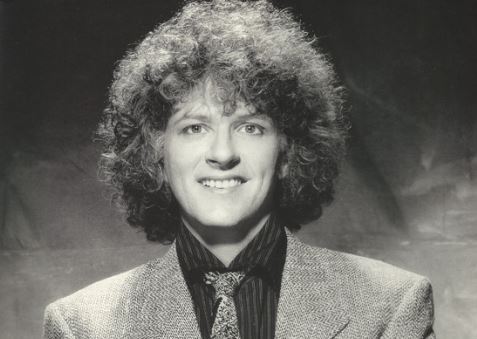
Dr. Lenz — AKA Rama (his spiritual name) — reflected a vast array of interests and talents, not the least of which was developing software businesses, a pursuit he focused on predominantly during the years leading up to his death. As a result of his business activities, he made both himself and quite a few others very wealthy. I can say for myself personally, that as a result of Dr. Lenz’s mentorship I was pretty much set up for life in terms of career and my ability to do pretty much whatever I wanted, including travel, invest in and support a variety of interests, and live quite comfortably.
But was being a successful entrepreneur really what Rama was primarily about? I would argue not.
During the first few years I studied with Rama (primarily in California, and before he suggested a lot of us move to the U.S. East Coast) he introduced myself and many others to what can be termed no less than a wonderland of consciousness. During this period, through both the dreams I had while studying with Rama and the meditations we had as a group, he would help literally catapult me (and many others) into ecstatic states of awareness that are hard to describe to those who have not experienced such things.

It is the deep respect that many of his students (including myself) developed for Dr. Lenz during his early days in California that compelled them to stay with him on his adventures in business when he migrated to the East Coast. Is was this earlier time (in my mind at least) in California that most of his early students remember most fondly and is detailed quite beautifully in Rama’s biography by Liz Lewison titled ‘American Buddhist Rebel.’
But I decided not to focus on this aspect of Rama for ‘Signs of a Rebel Buddha.’ Rather, I drew from my experiences with more traditional Tibetan Buddhist teachers that I studied with after Rama died in an attempt to create a framework for understanding how Rama did or did not compare to the traditionalists.
The result of contemplating this forced me to conclude that Rama actually reflected a rather ancient tradition of the Mahasiddhas and Tantra (not to be confused with explicitly sexual Tantra at times popularized today) as described by authors such as Keith Dowman (who is mentioned in the film) and Dr. Paul Ortega.
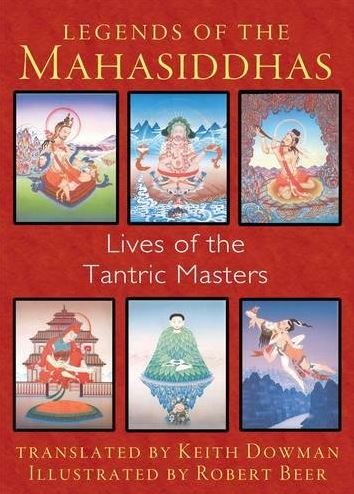
As described by Dr. Ortega in his video series on Tantra, Rama most certainly reflected the ‘path of the householder’ or ‘person of the world’ who engages with the world in their spiritual pursuits rather than retreats from it as a renunciate — with an example source text of this renunciate tradition being the Yoga Sutras of Pantanjali.
Ortega will be quick to point out that he is not claiming that renunciates are ‘wrong’ and the householder or worldly spiritual path is ‘right’ — rather, he is making the case that modern teachers (such as Rama) are re-introducing these traditions to the West as an appropriate vehicle for spiritual growth for many modern people.
The reason is simple. The spiritual traditions as described by Dr. Ortega seek to use and build upon the flowering of individual human potential as key and integral to the path. In other words, to discover your talents and bring them to the world becomes part and parcel of your spiritual journey. The renunciate’s path, on the other hand, subsumes the individual into the quest and seeks to suppress the individual ego in an effort to tame it and wield it to a higher purpose. While for both paths the end goal is often the same, the approaches are radically different.
Rama’s methods also neatly fit in with the American ideals of individualism as seen in the philosophies of Emerson and Thoreau — two transcendentalist and individualistic American thinkers who Rama very much admired.
People such as Paul Ortega and others of who promote a uniquely American version of Buddhism (also reflected through teachers such as Jack Kornfield, Tara Brach, and others) mark a fundamental shift from the renunciate’s path. They reflect a more ‘worldly’ approach that in fact seeks to secularize much of Buddhist practice and, in the case of Kornfield and Brach, subsume it in what has become known as the mindfulness movement. As it is with His Holiness the Dalai Lama, service to others is often key to the mindfulness path, at least for its leaders.
As far as the video essay ‘Signs of a Rebel Buddha’ — I lay out seven ‘signs’ or qualities that I used to convey the essence of what I term a ‘Rebel Buddha.’
All of these qualities I believe are reflected in the Mahasiddha or Tantric traditions. While I don’t claim to be a scholar, I’m pretty sure many scholars would back me up on this assertion.
So far we’ve submitted the film to several film festivals and it has been accepted (thus far) primarily at festivals in the East (India, Bhutan, and Russia), where we’ve garnered recognition and awards. In Bhutan, we won the ‘Oustanding Achievement’ award for documentary — quite a compliment from this Buddhist nation high in the Himalayas! We have also submitted to several ‘spiritual’ and ‘inspirational’ film festivals in the West and are thrilled to have been accepted into the Dreamers of Dreams Film Festival in London. Stay tuned for more!
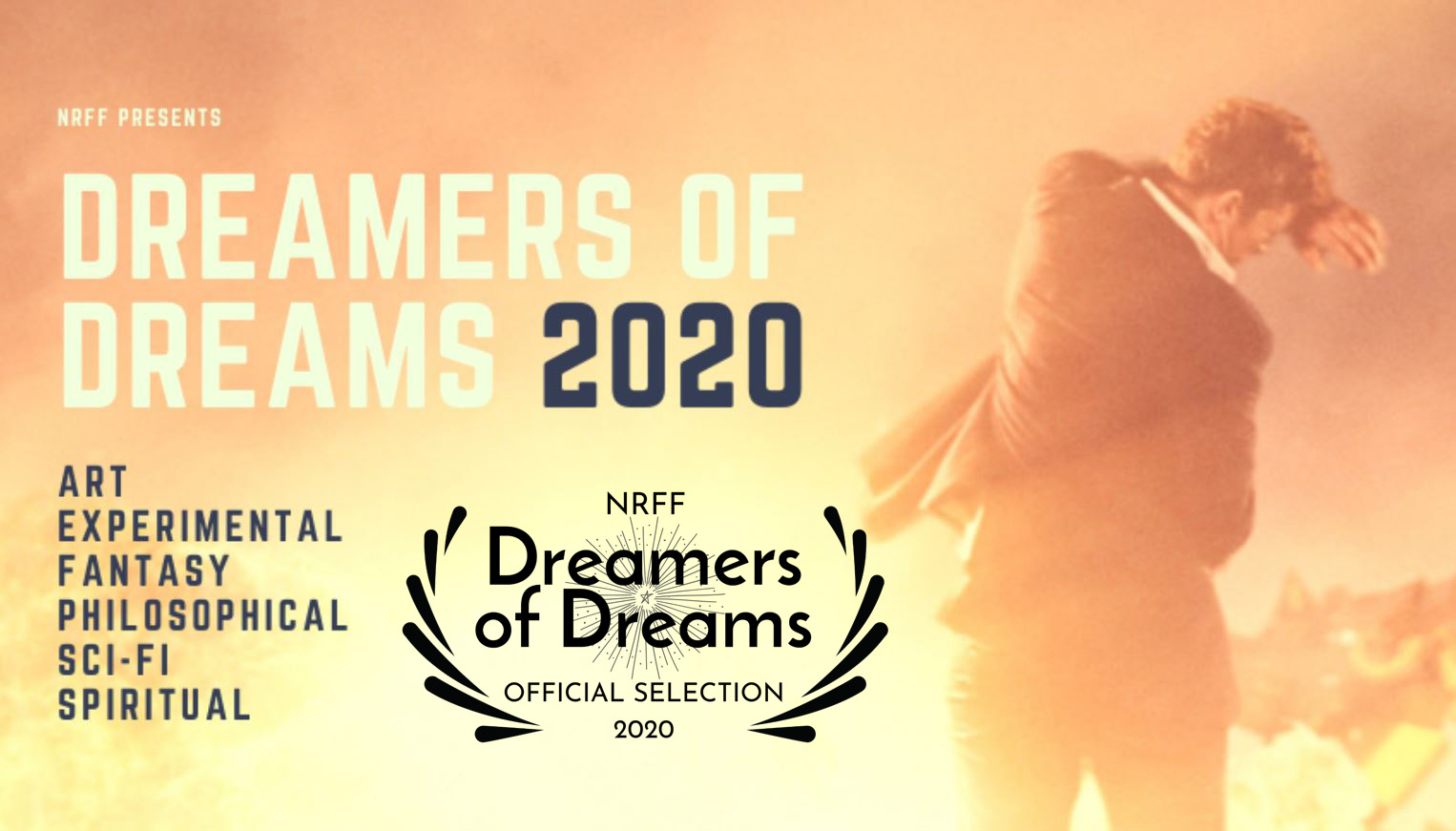
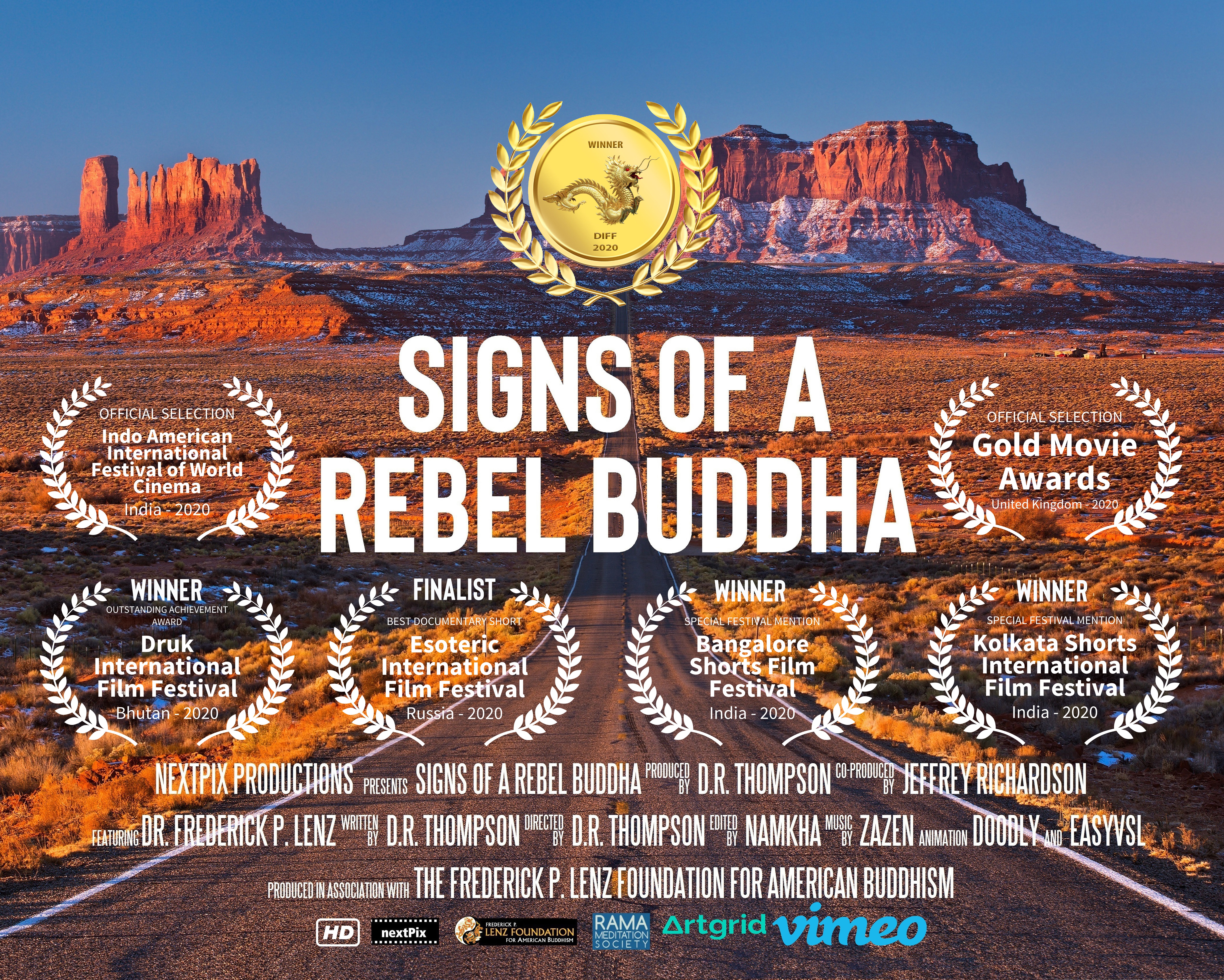
You can watch the ‘Signs of a Rebel Buddha’ video here.
You can find more information about Rama here.
The video was produced in collaboration with The Frederick P. Lenz Foundation for American Buddhism.
Don Thompson is a producer, filmmaker, and playwright. You can find his bio here. Don has studied with numerous spiritual teachers, including Dr. Frederick Lenz, HE Namkha Drimed Rinpoche, HH Chetsang Rinpoche, HH the 14th Dalai Lama, and Dr. Baskaran Pillai.
Images courtesy of Adobe Stock.
Don Thompson talks about his video essay ‘Signs of a Rebel Buddha’ that is an Official Selection at the Kolkata Shorts International Film Festival (India) 2020.
Conversation #2 between Emmy award-winning journalist Ursula Pfeiffer and Don Thompson of nextPix — some great discussion and dialog, seeking a path forward for society.

 SolPix Blog